The Goalkeeper’s Role: More Than Stopping Shots
Goalkeepers decide when to advance, where to distribute, and what information defenders need. Their preparation combines physical readiness with attention to a changing game.
Youth sessions should introduce these demands in manageable stages. A safe learning environment allows keepers to understand the movement, read the ball, and build the confidence to try again.
Starting with Willingness and Responsibility
Some children enjoy the challenge of an incoming shot; others value the responsibility of supporting the team. Coaches can begin with that interest while teaching catches, landings, and safe recovery.
Being willing to participate does not remove the need for care. Suitable ball speed, distance, and difficulty allow positive engagement and safe habits to develop together.
Connecting Reactions with Observation
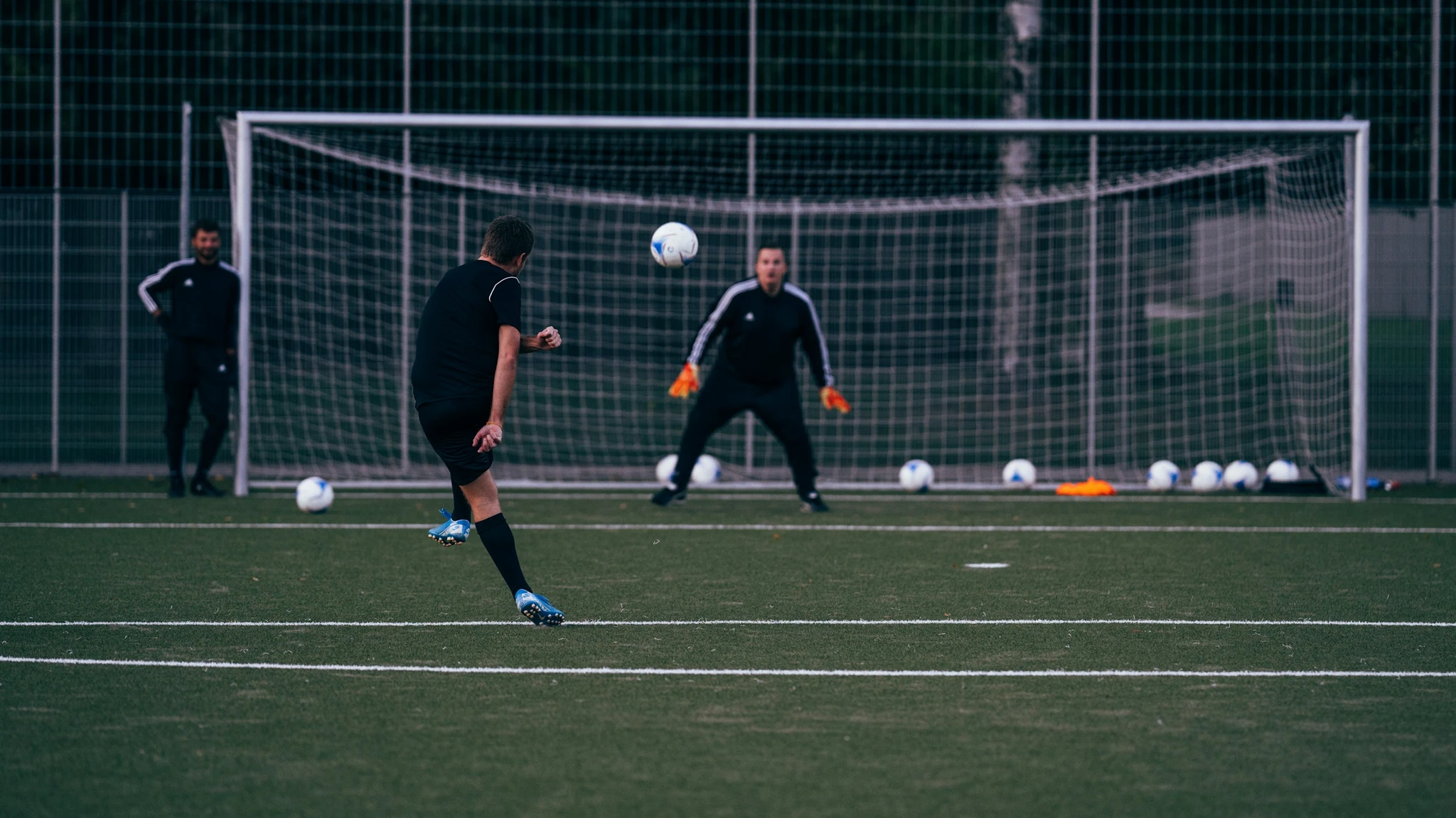
Reaction work is more useful when the keeper can explain the cue. Reading the direction, maintaining a ready position, and choosing an action give speed a clear purpose.
Coaches can vary the height, angle, and starting position of a service. Short sets with recovery and feedback keep the challenge focused and appropriate.
Footwork Creates a Better Starting Position
Small adjustments before contact can change the difficulty of a save. Lateral steps, controlled weight transfer, and a stable set position help the keeper meet the ball in balance.
Footwork also continues after the first action. Recovering after a save, looking up with possession, and returning to a useful area make the movement part of a complete sequence.
Developing Confidence One Session at a Time
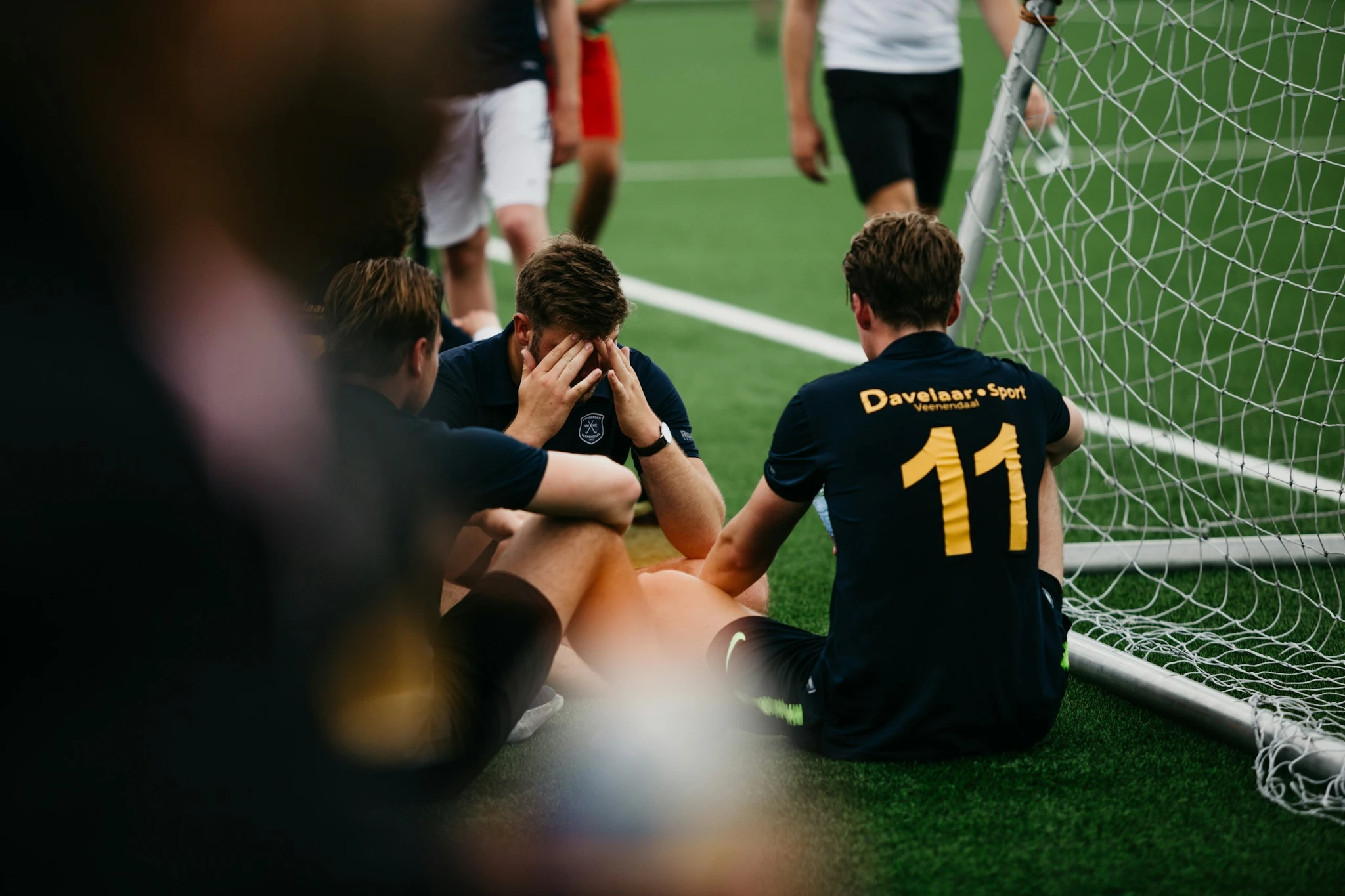
Young keepers will concede and misjudge situations. Reviewing controllable details such as preparation, observation, and communication gives them a more useful task than judging the result alone.
Supportive feedback and specific goals help keepers accept responsibility while continuing to enjoy the role. Development should leave room for both challenge and satisfaction.