
A Tournament Offers a Different Learning Environment
The Velocity Cup offers more to review than the score. Unfamiliar opponents, match schedules, and team responsibilities test how training habits transfer to a different environment.
This is an illustrative event story, rather than a record of actual results or registration details. Preparation, play, and review form one connected learning process.
Before the Event: Turning Anticipation into Preparation
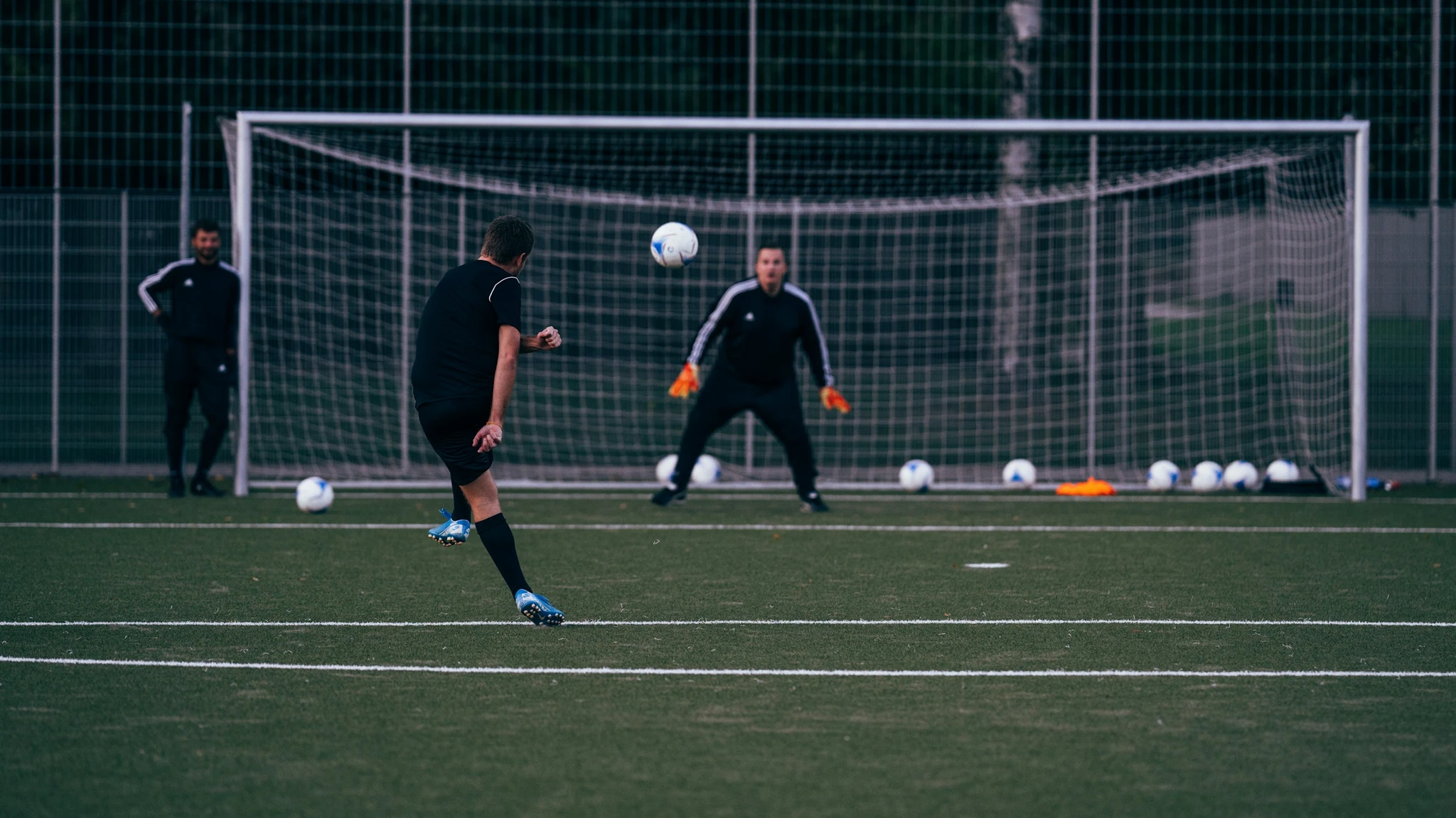
Equipment, meeting arrangements, and a small number of match objectives can be settled in advance. Familiar practice situations help players understand their role without overloading them on the day.
A conversation can make nerves more manageable. Players can name a concern and work with the group to identify something practical they can do about it.
The Opening Match: Focusing on the Next Action
Once play starts, attention can return to controllable actions: looking, communicating, moving, and supporting. After an error, the next available passing option still matters.
Brief touchline feedback leaves room for independent decisions. A discussion of specific moments afterwards is clearer than a stream of instructions with every touch.
Responding to Ups and Downs as a Team
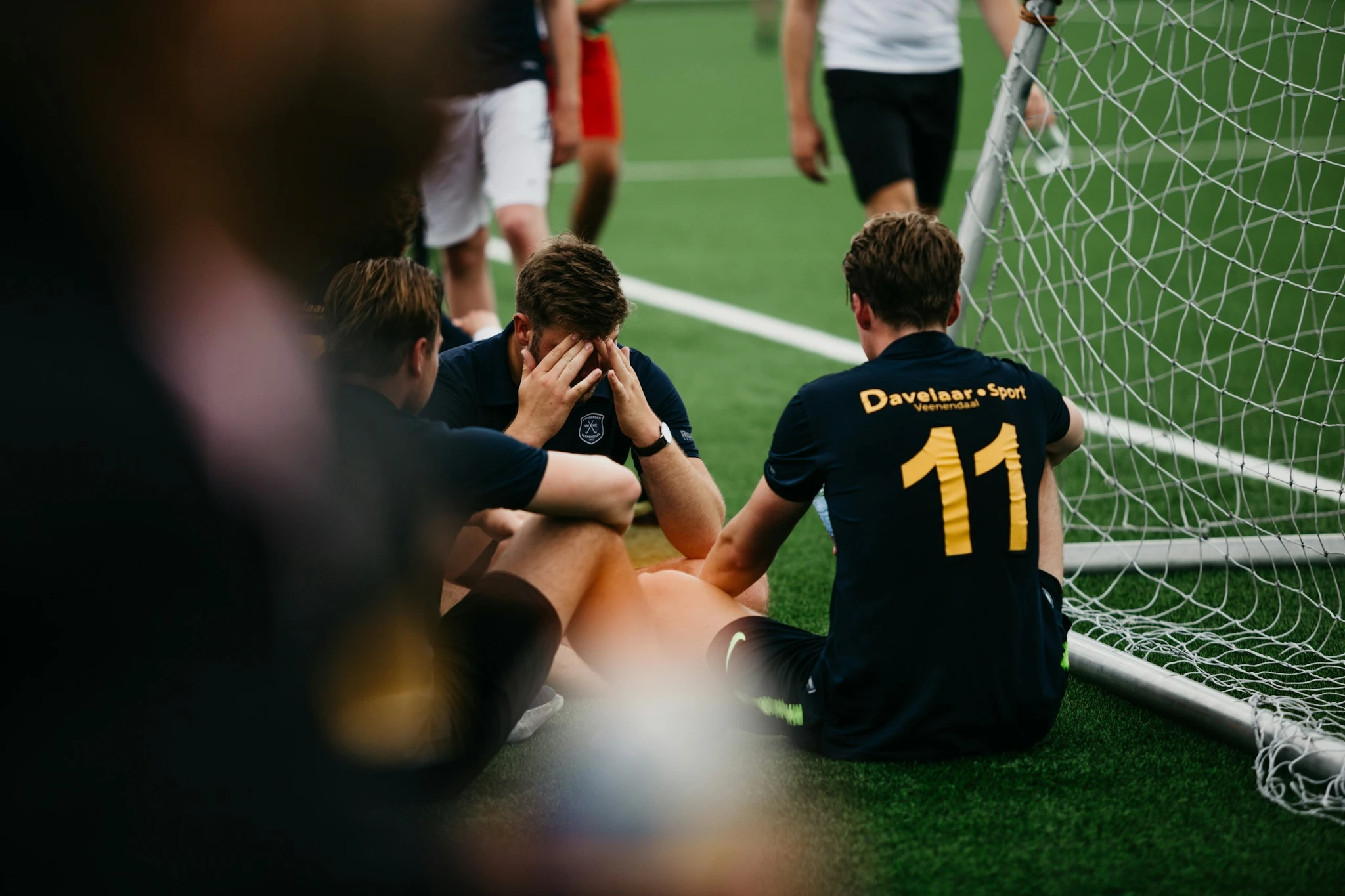
Goals, fatigue, and changes in the score can all affect emotions. A short break offers time to settle, check how players feel, and agree on the next priority.
Support is valuable after disappointment too. Offering a passing option and carrying out an agreed role are team contributions that can be recognized specifically.
After the Event: Choosing What to Work on Next
A review can use three questions: what worked, what was difficult, and what to try next. Involving players helps them take ownership of the resulting practice goal.
The result is final, but lessons about awareness, cooperation, and pressure remain useful. The next session becomes an opportunity to test what the team has learned.